1 of 1
- Skywave
- Member
 Offline
The End of the "Bell Line"
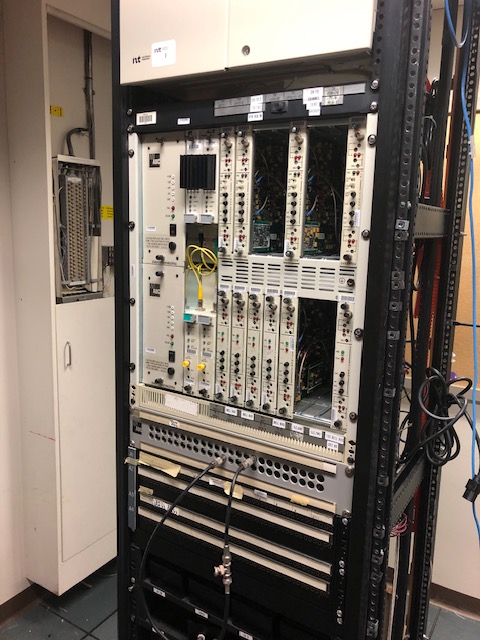
We old-timers have referred to radio broadcast program circuits as "Bell lines". They use twisted pair copper circuits the same as legacy telephones, and have amplifiers and equalizer coils to provide the desired bandwidth, typically 5 kHz or 15 kHz. You could also get stereo pairs at 15 kHz which had reasonable phase matching.
With today's CRTC announcement, this service, known as Channels for Program Transmission, will be discontinued as of December 1st. Broadcasters who don't have radio studio-to-transmitter links will be forced to IP-based solutions if they haven't already done so.
Most broadcasters already stream their program feeds, so in the worst case that can be used for backup.
- Glen Warren
- Member
Offline
Re: The End of the "Bell Line"
Bell's old "Radio Board" ... sister to TOC (Television Operating Centre)...
Back in the days of the old GE video line sets (I recall they were at 120 Ohm impedance), Video was carried on the GE gear, and the corresponding audio went through the "Radio Board" and was generally 5kc. The CUE was a 2.7kc line for IFB to remote talent etc. There was also a TCC or Telecommunications Circuit "Ring Down". That could be the Engineering Hot Line to TOC, or to the remote site or TX site... etc. etc.
All the audio pairs had individual "tags" with the little loops of string tied on the end of them as they were terminated on the AJF blocks or tree...
The arrival of fibre Video Route in the 90s made things a lot easier, and signal quality was a lot cleaner.
- Skywave
- Member
Offline
Re: The End of the "Bell Line"
The crazy thing is that when Bell used their portable microwave links for a video feed, they didn't use audio subcarriers above the video. You still had to rely on the radio techs to show up. That turned out to be a real problem during the Mississauga train wreck. Tom Clark delivered his first live report from the scene with the news car's two way radio mike stretched to the limit outside the car window.
- •
 Thread Starter
- ig
- Iain Grant
Offline
Re: The End of the "Bell Line"

Madness takes its toll. Please have exact change.
- Scarboroughbluffsradiof99
- Member
Offline
Re: The End of the "Bell Line"
Skywave wrote:
We old-timers have referred to radio broadcast program circuits as "Bell lines". They use twisted pair copper circuits the same as legacy telephones, and have amplifiers and equalizer coils to provide the desired bandwidth, typically 5 kHz or 15 kHz. You could also get stereo pairs at 15 kHz which had reasonable phase matching.
With today's CRTC announcement, this service, known as Channels for Program Transmission, will be discontinued as of December 1st. Broadcasters who don't have radio studio-to-transmitter links will be forced to IP-based solutions if they haven't already done so.
Most broadcasters already stream their program feeds, so in the worst case that can be used for backup.
What would happen during outiges?
We nead radio if the internet or power goes out.
If rogers has another outige, radio is our only option for entertainment and updates.
- Glen Warren
- Member
Offline
Re: The End of the "Bell Line"
The crazy thing is that when Bell used their portable microwave links for a video feed, they didn't use audio subcarriers above the video. You still had to rely on the radio techs to show up. That turned out to be a real problem during the Mississauga train wreck. Tom Clark delivered his first live report from the scene with the news car's two way radio mike stretched to the limit outside the car window.
I worked a fair share of remotes with both Bell and CNCP broadcast links. By my time, Bell was using mostly Harris-Farinon FM Radio links between the remote production truck back to the nearest Micro Tower. Bell always dropped a composite video coax and bell Quad line from the TX Radio on the roof or scaffold etc. We always ordered the remote facilities as a VandA (Video and Audio) circuit, with audio as 5kc. Our audio always travelled over the remote FM Radio with video. Sometimes the client would want an audio back up circuit, so this was a separate 5kc line that did go through the "Radio Board" Each had their own SSO# (Special Services Order) and were separate construction orders.
The majority of the Bell Broadcast guys would have the Harris radios aligned/peaked for video... audio, well... something was there... We occasionally worked with one Bell Broadcast tech out or Sudbury, an never had any issues with his remote links. He took the time to properly align the TX and RX radios on the bench before he went out to construct the path in the field.
Everything was generally MONO and +8dbm
- RadioActive
- Moderator
Offline

Re: The End of the "Bell Line"
This is prettry technical stuff, so it hasn't gotten a lot of notice in the press, but here's one site that was willing to take it on.
CRTC Lets Bell Kill Legacy Broadcast Lines, But Not Until December
- ig
- Iain Grant
Offline
Re: The End of the "Bell Line"
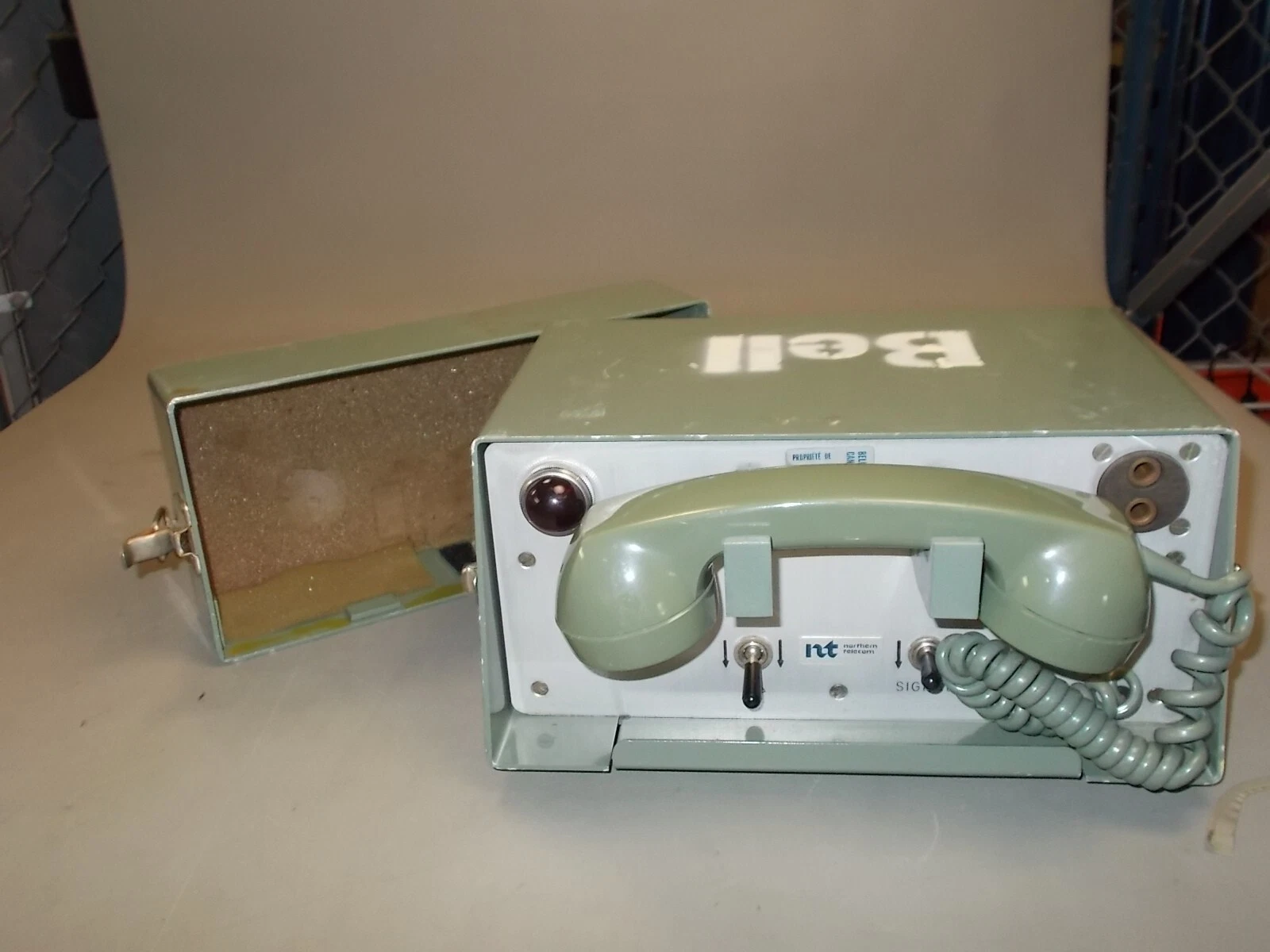
Wonder how many broadcast consoles and Clearcom's still have Order Wire intercom buttons on them. OW1-10 etc.
Madness takes its toll. Please have exact change.
- Cheese2RF
- Member
Offline

Re: The End of the "Bell Line"
for us, we have migrated all our STL to digital at this point, bell lines were simply too costly anyway, except one, a local church uses it for a Sunday program, and they cannot afford to purchase a pair of Codec units!
- Glen Warren
- Member
Offline
Re: The End of the "Bell Line"
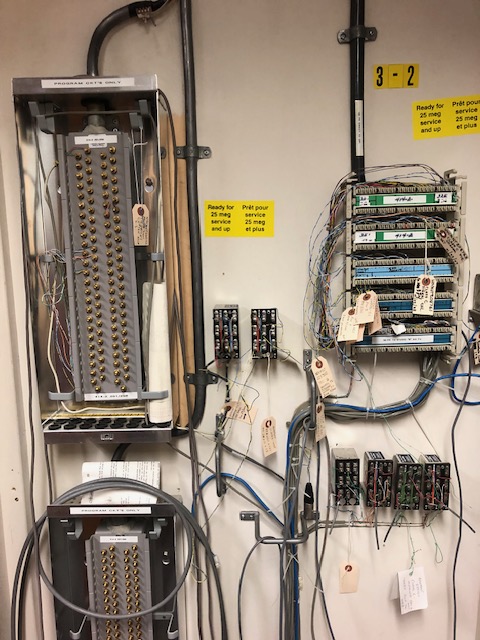
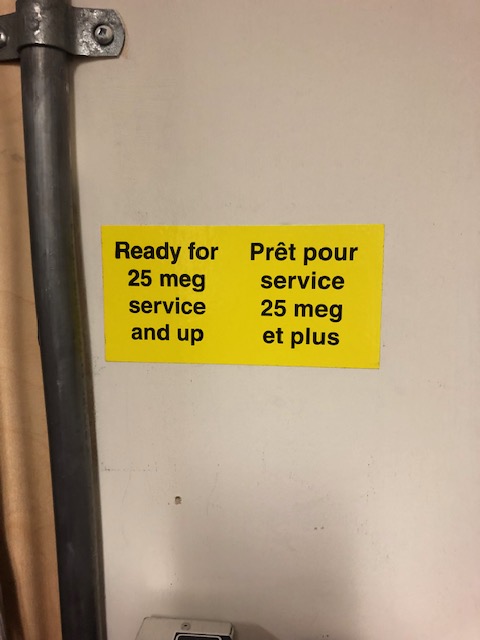
25 meg service... WOW!
Last edited by Glen Warren (August 25, 2026 4:21 am)